Western Carpenter Ants
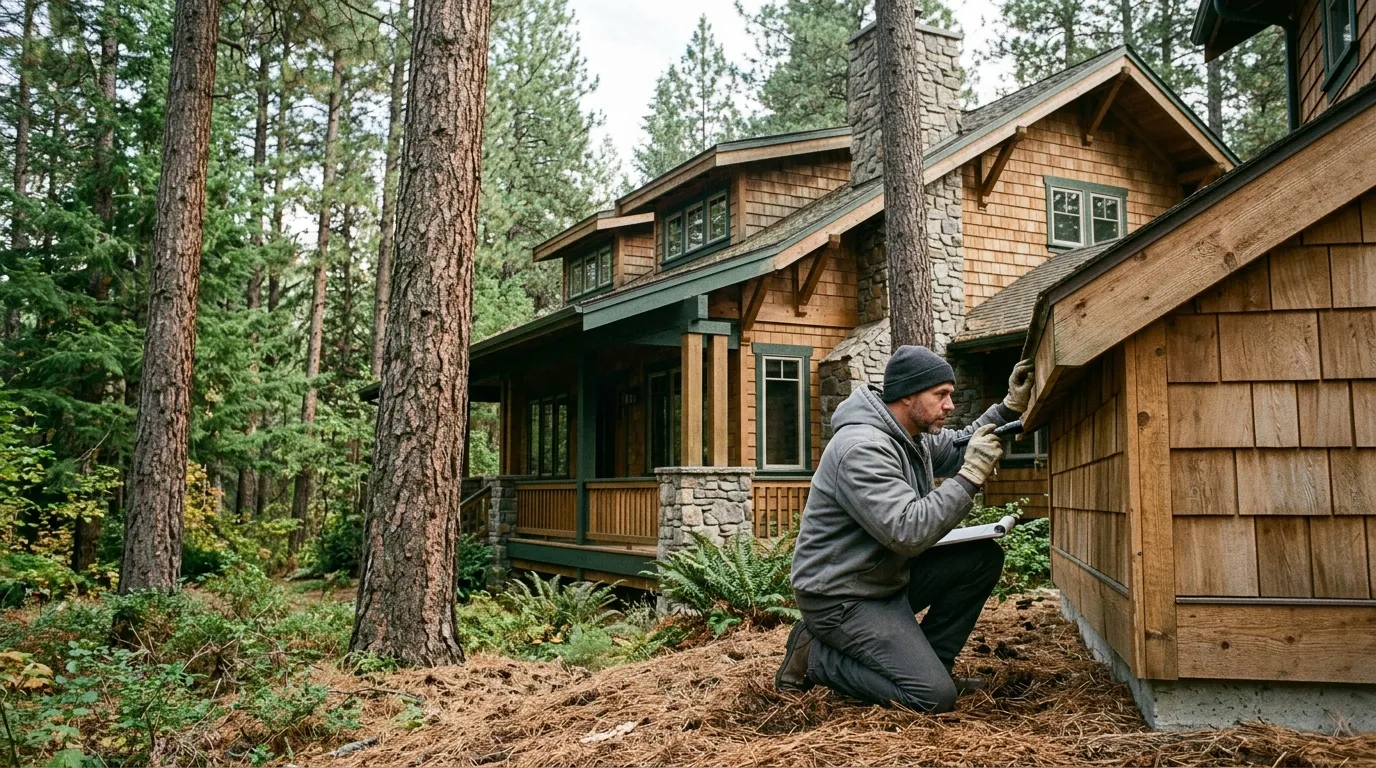
Camponotus modocThe primary structural threat across North Idaho. Large black ants tunnel through moist structural timber, decking, and roof rafters near pine tree overhangs.
Surrounding the pristine shores of Lake Coeur d'Alene and nestled against the Coeur d'Alene Mountains, North Idaho properties experience intense pest pressures driven by lakefront humidity, mature Douglas fir and white pine canopies, and harsh winter freeze cycles. Wood-destroying carpenter ants attack timber-framed homes and lake cabins, yellowjackets swarm lakeside decks, and hobo spiders establish deep crawlspace harborage.
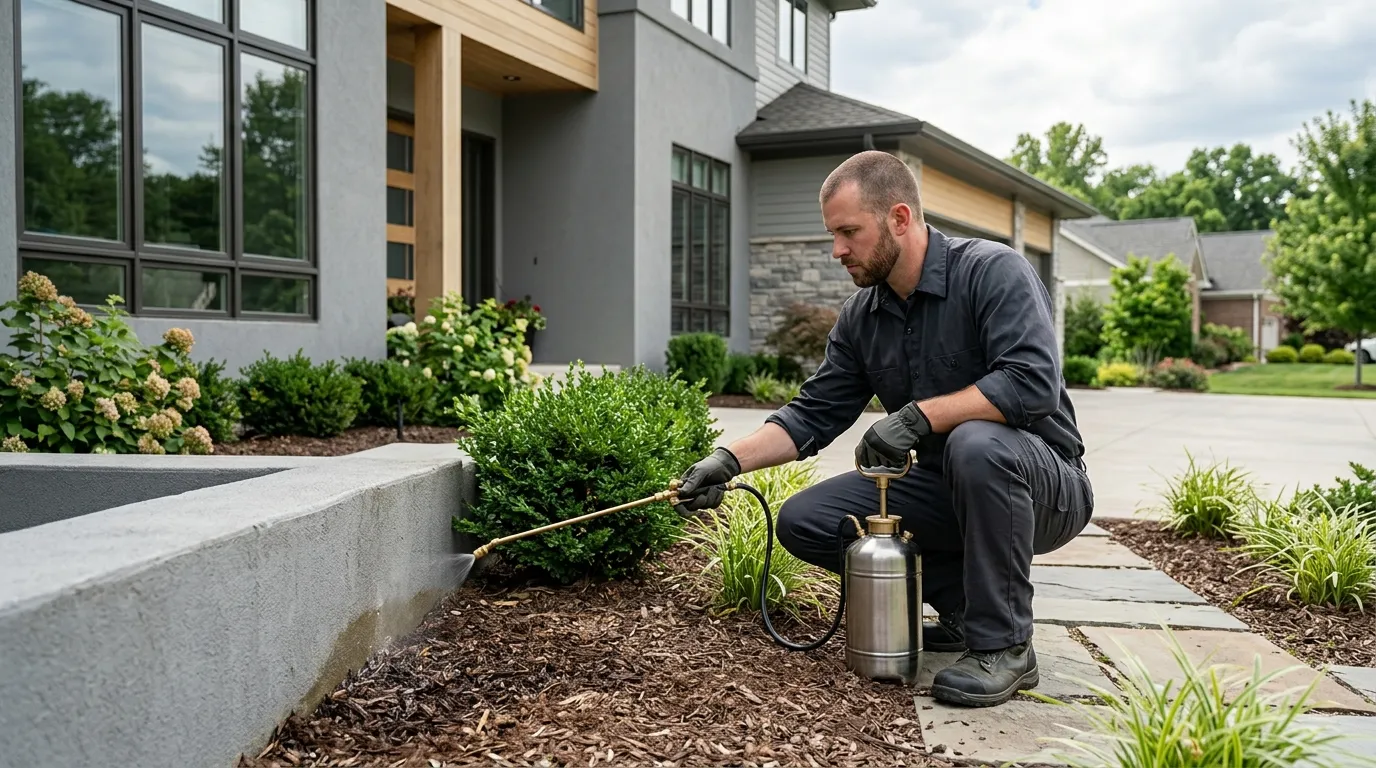
Specialized timber protection safeguarding Kootenai County lake homes against structural carpenter ants.
Coeur d'Alene sits at an elevation of 2,180 feet at the northern outlet of Lake Coeur d'Alene. The lake exerts a moderating microclimatic effect, keeping humidity elevated throughout the summer while dense Douglas fir, grand fir, and ponderosa pine forests press against residential borders. This abundance of moisture and timber makes Kootenai County one of the highest-risk carpenter ant zones in the Northwest.
From vintage cedar-sided lake cabins along Sanders Beach with exposed pier-and-beam foundations to upscale timber-frame homes in Armstrong Park and Canfield, wood-to-soil contact is common. Lakefront docks and retaining walls provide continuous nesting habitat for carpenter ants and spiders, while winter freeze cycles drive pests inward toward warm basement boiler rooms and crawlspaces.
Soils in the Coeur d'Alene basin consist of glacial gravels overlain by decomposed granite and pine duff. Fast-draining surface layers dry rapidly in late summer, driving subterranean termites and spiders to seek artificial moisture sources around automated lawn irrigation lines, crawlspace perimeters, and hose bibs.
Inland Northwest seasonal shifts and pine forest topography influence pest activity throughout Coeur d'Alene.
The primary structural threat across North Idaho. Large black ants tunnel through moist structural timber, decking, and roof rafters near pine tree overhangs.
Rapidly colonize rock landscaping, woodpiles, and unfinished basements. Males actively enter living spaces seeking mates from August through October.
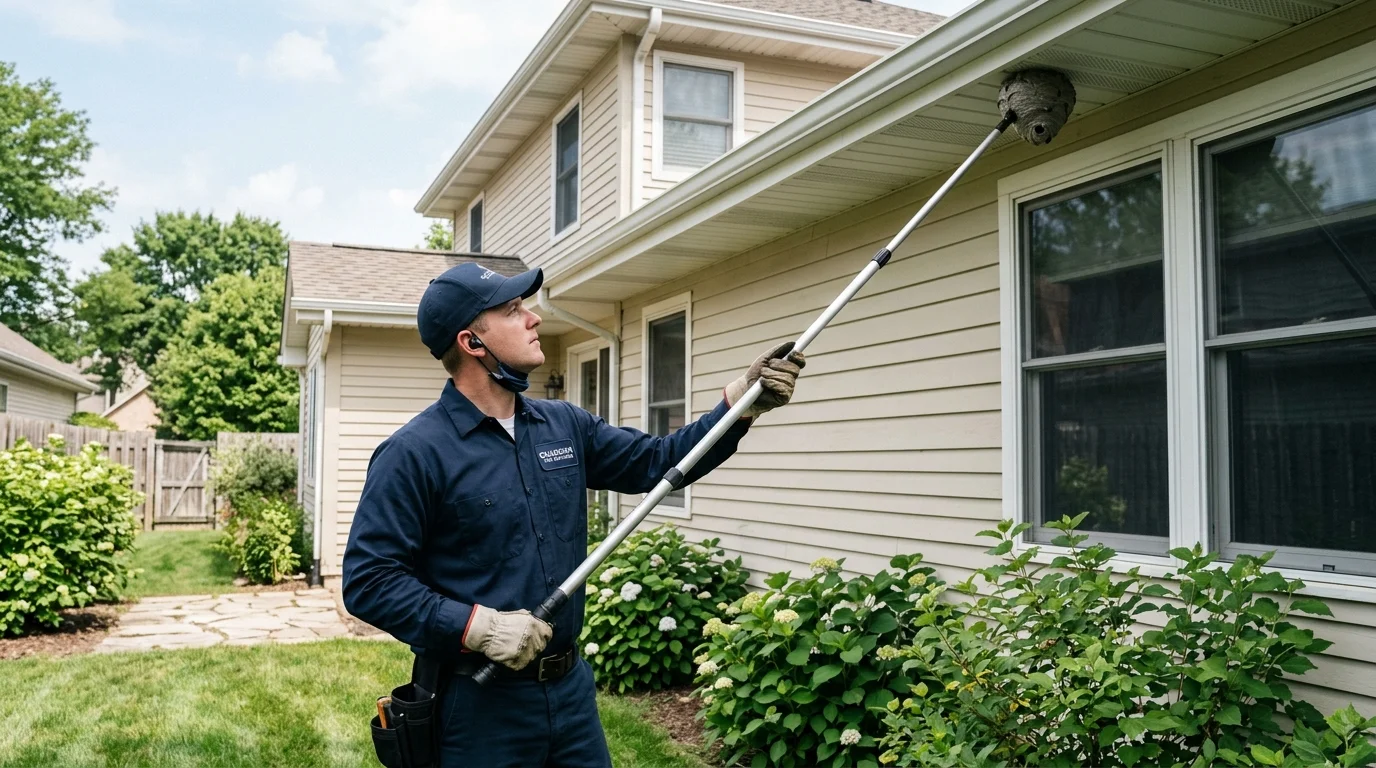
Lakeside dining and outdoor recreation attract aggressive colonies that build massive underground nests in lawn turf and rock retaining walls.
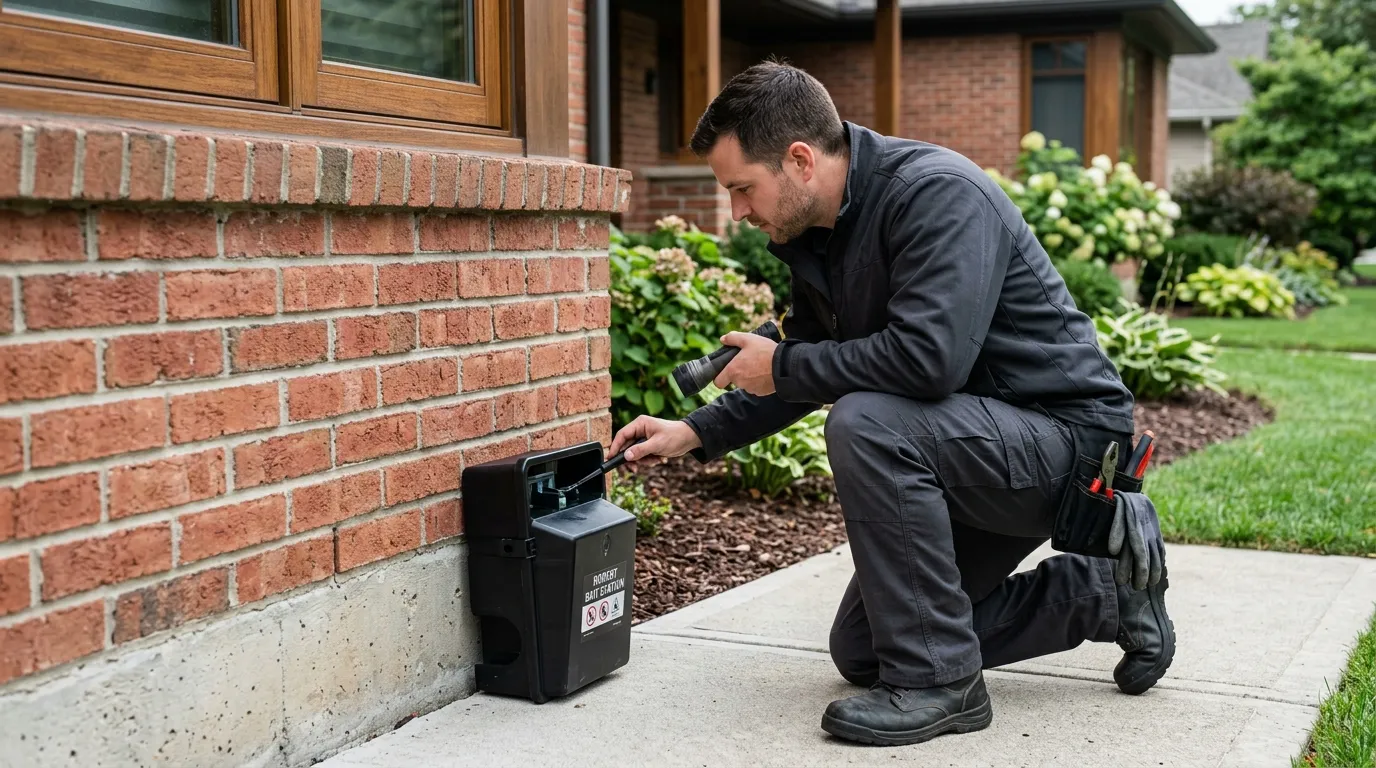
Widespread woodland rodents that invade seasonal cabins and residential garages each autumn, presenting contamination and insulation damage risks.
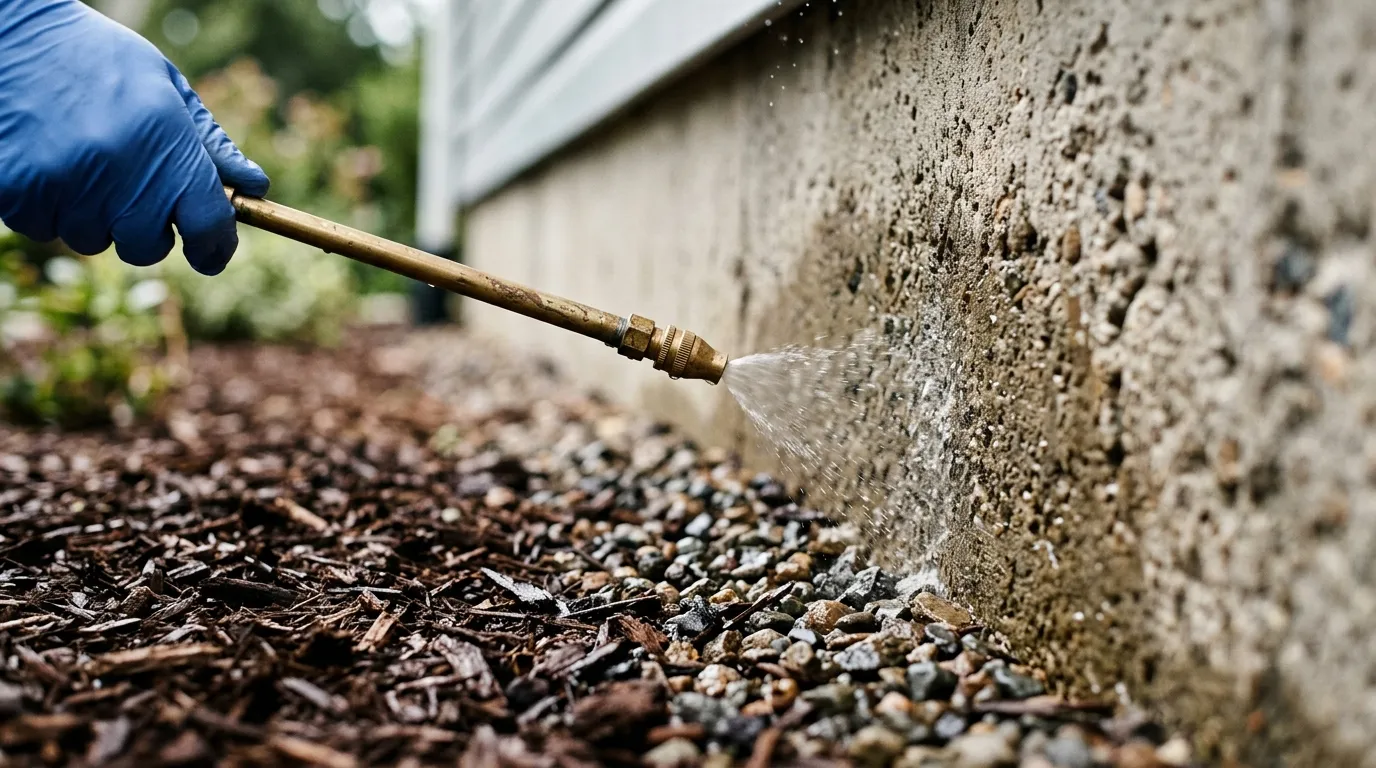
Apply specialized exterior perimeter barriers in May before carpenter ant reproductive swarms launch from forest edges. Conduct monthly dock and deck yellowjacket sweeps throughout July and August. In October, implement full perimeter exclusion and rodent baiting along cabin foundations.
Independent contractor referrals in Coeur d'Alene maintain licensing under the Idaho State Department of Agriculture (ISDA Title 22, Ch 34). Homeowners should verify current certifications and insurance directly with their chosen contractor.
Essential barrier applications intercepting carpenter ants before they penetrate lakefront timber framing.
Comprehensive perimeter spray and dusting preventing hobo spiders in crawlspaces and window wells.
Emergency knockdown of aggressive yellowjacket nests on lake docks and outdoor patios.
Explore our comprehensive pest protocols and specialized treatment guides across the Inland Northwest service network:
Connect with an independent local contractor serving Coeur d'Alene, ID for fast diagnostic scheduling.