Hobo Spiders
Eratigena agrestisFunnel-web builders proliferating in Meridian window wells, bark mulch borders, and basement garages. Wandering males enter homes aggressively in August through October.
As Idaho's second-largest city and the booming residential core of the Treasure Valley, Meridian has experienced unprecedented conversion of former alfalfa, sugar beet, and dairy farmland into master-planned subdivisions. This massive soil disturbance displaces native wolf spiders, burrowing field mice, and puncturevine (goatheads) directly into freshly poured foundation stems and daylight window wells.
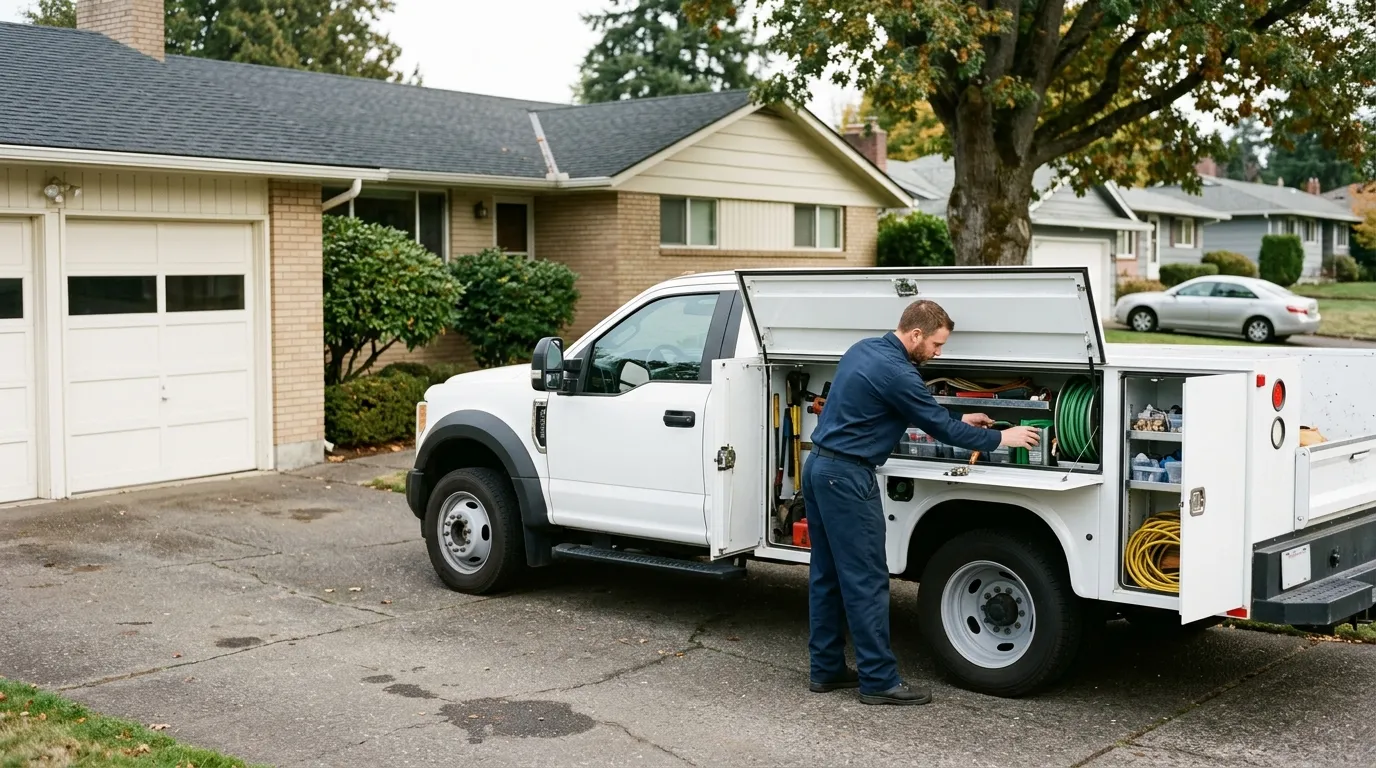
Active service trucks dispatched daily across Paramount, Chinden, and South Meridian subdivisions.
Meridianβs rapid expansion along Ten Mile and Chinden (SH-20/26) corridors unearths dormant weed seeds and disrupts subterranean rodent burrows. When construction equipment grades native farmland, displaced field mice and hunting wolf spiders search for immediate shelter, finding it inside newly framed homes and irrigated sod.
The vast majority of Meridian housing features modern concrete slab-on-grade construction or shallow stem walls built since 2005. Settling concrete, exterior weep holes, air conditioning conduit penetrations, and bark mulch landscaping beds create direct entry conduits for crawling spiders and opportunistic insects.
Meridian sits within the Nampa & Meridian Irrigation District. Pressurized secondary canal water delivered from April through October saturates perimeter landscaping. When alkaline clay loam (pH 7.8β8.2) remains constantly moist, it draws moisture-seeking pests to exterior foundation walls during 100Β°F heatwaves.
High-desert climate, seasonal canal moisture, and foothills terrain shape pest pressures across Meridian.
Funnel-web builders proliferating in Meridian window wells, bark mulch borders, and basement garages. Wandering males enter homes aggressively in August through October.
Large, intimidating hunting spiders displaced from former farmland. Frequently invade Meridian ground floors and living rooms hunting smaller insects in late summer.
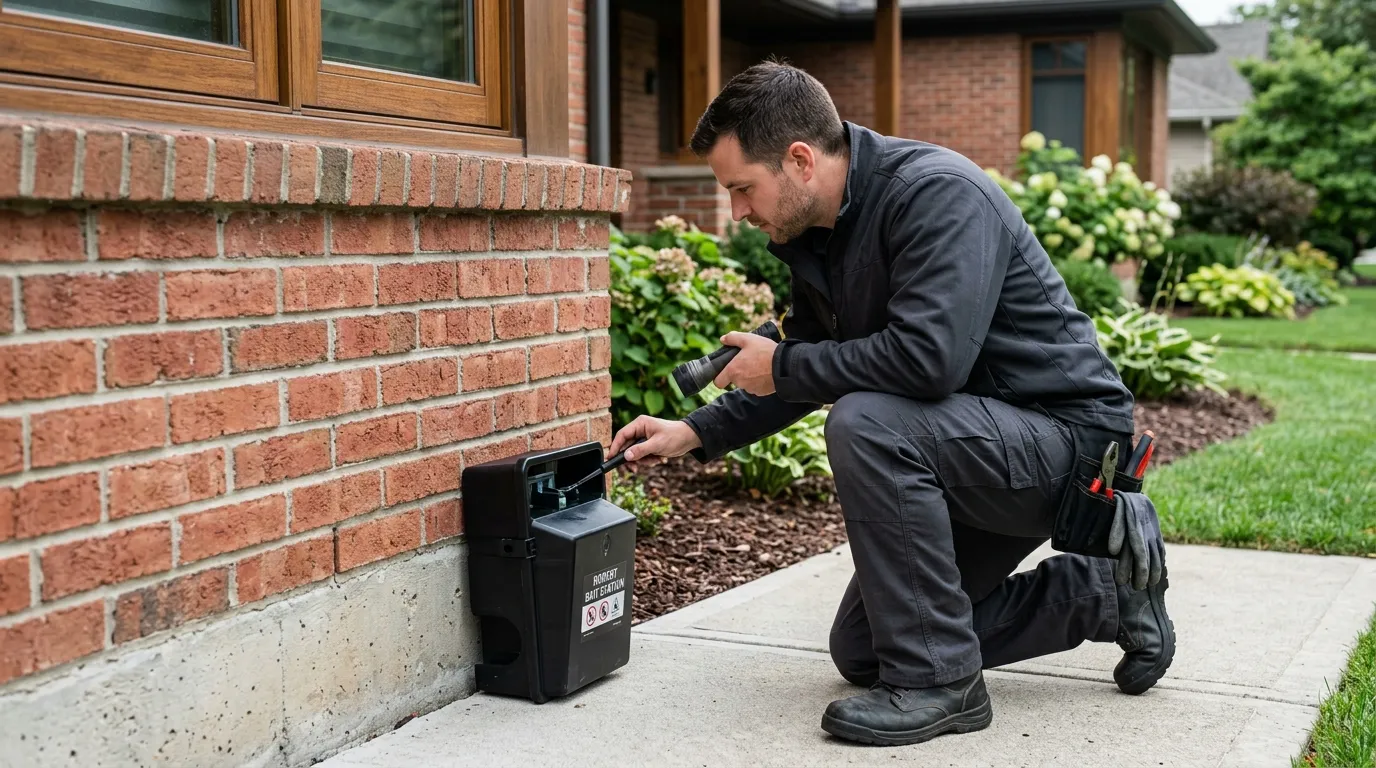
Rapid subdivision construction forces mice out of fields. As night temperatures freeze in October, they invade garages, crawlspaces, and kitchen pantries.
Idaho official noxious weed flourishing on disturbed subdivision soils. Produces sharp woody burs that puncture bicycle tires and cause severe pain to dog paws.
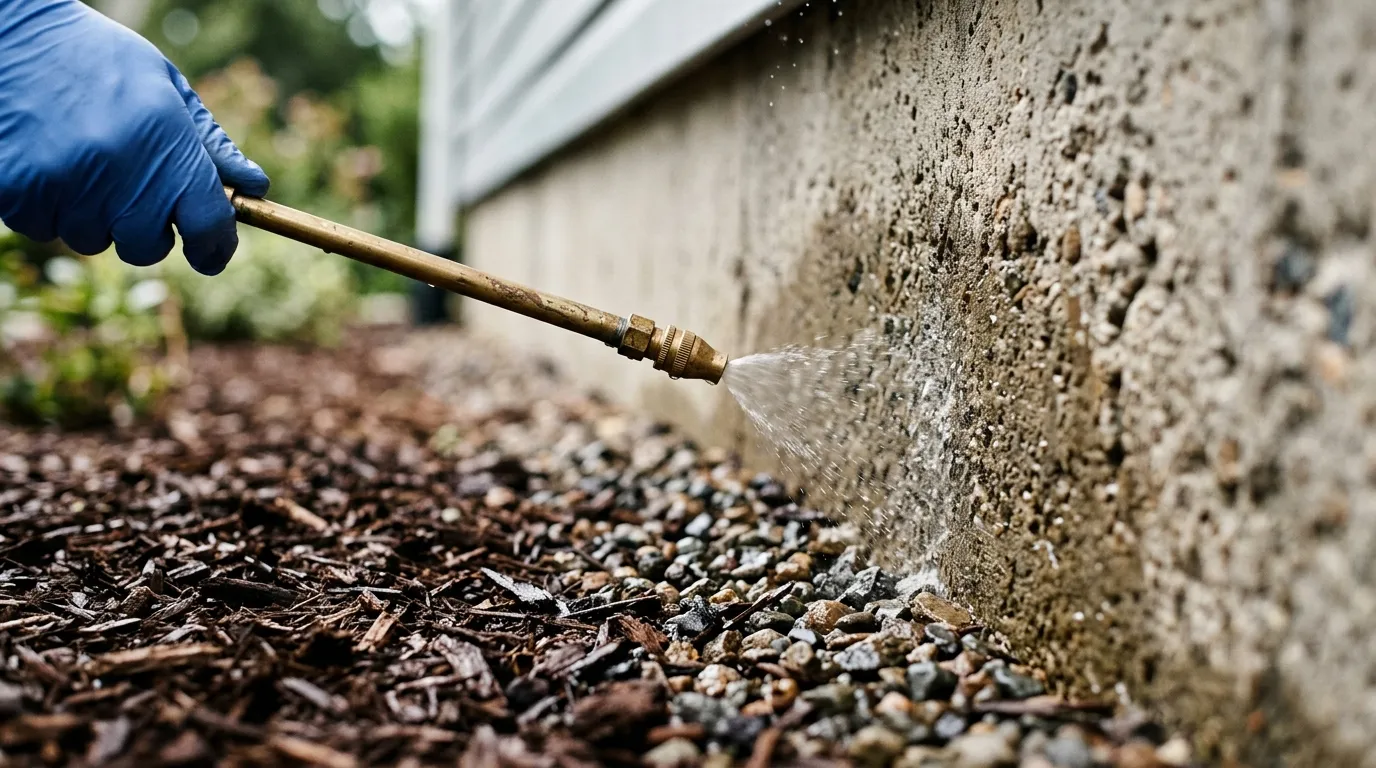
Apply Round 1 pre-emergents in March before canal water flows to stop crabgrass and goatheads. Maintain a 3-foot up, 3-foot out micro-encapsulated liquid perimeter spray on foundation stems from May through September to intercept hobo spiders and mice before freezing weather arrives.
Independent contractors serving Meridian maintain commercial applicator licensing with the Idaho State Department of Agriculture (ISDA Title 22 Chapter 34). Homeowners should confirm insurance and credential status directly.
Micro-encapsulated foundation barriers stopping hobo and wolf spiders from entering window wells.
Exterior tamper-proof bait stations and exclusion sealing halting field mouse migration.
6-step seasonal lawn care program stopping summer heat yellowing and eliminating painful goatheads.
Explore localized pest defense profiles and directory guides across neighboring Ada County towns:
Connect with an independent local contractor serving Meridian, ID for fast diagnostic scheduling.