Spokane & Coeur d'Alene Pest Control & Carpenter Ant Defense
Surrounded by mature Ponderosa pines and coarse glacial soils, Inland Northwest properties face acute wood-destroying pest threats. Between destructive carpenter ant satellite colonies nesting in moist needle duff, aggressive late-summer yellowjackets, and subterranean termites tunnelling through porous river-terrace gravels, our directory matches you with independent exterminators certified in Washington (WSDA) and Idaho (ISDA).
Ponderosa Pine Overhangs, Porous Aquifer Soils & Wood Decay
Spokane and Kootenai counties span the dramatic transition from the arid Columbia Plateau to the forested Selkirk and Coeur d'Alene mountains. Dense native Ponderosa pine and Douglas fir canopies shed immense volumes of acidic needle duff annually. When needles accumulate in roof valleys, gutters, and against structural foundation stem walls, they trap moisture, creating ideal conditions for destructive carpenter ant satellite colonies.
Unlike the dense clay soils of the Midwest, the Spokane Valley–Rathdrum Prairie basin is formed of coarse, permeable glacial outwash gravels. This porous ground drains rapidly, creating subterranean moisture gradients that draw subterranean termites along heated residential footers, while dry summer droughts push aggressive yellowjacket colonies into suburban yards and waterfront docks.
Inland Northwest Ecological Realities
- Sole Source Aquifer Protection: Thin topsoils over the Spokane Valley–Rathdrum Prairie Aquifer demand strict WSDA/ISDA buffer zones and non-leaching protocols.
- Pine Duff Moisture Retention: Needles trap rain against siding, accelerating structural wood decay and parent-satellite carpenter ant tunneling.
- Sub-Zero Winter Freezes: Extended snowpack and freezing temperatures drive outdoor deer mice, boxelder bugs, and conifer seed bugs into insulated wall voids.
Inland Northwest Pest Threat Index
Western Carpenter Ants (*Camponotus modoc*)
The Inland Northwest’s premier structural wood destroyer. Colonies chew smooth galleries through moist window headers, fascia boards, and roof rafters.
Western Subterranean Termites (*Reticulitermes hesperus*)
Forage through porous valley gravels, constructing exploratory mud tubes up concrete foundations to reach wood sill plates during spring soil warming.
Western Yellowjackets (*Vespula pensylvanica*)
Aggressive ground-nesting foragers that peak in late July and August, swarming barbecue areas, parks, fruit trees, and lakefront docks.
Deer Mice & Conifer Seed Bugs (*Peromyscus maniculatus* & *Leptoglossus*)
Migrate inward from surrounding pine stands in October, penetrating unsealed soffits, crawlspace vents, and garage door thresholds.
12-Month Inland Northwest (Spokane & CDA) Pest Calendar
Track carpenter ant emergence, summer yellowjacket spikes, and fall rodent exclusion windows across Spokane and Kootenai counties.
| Season / Months | Dominant Regional Pests | Environmental Drivers | Recommended Field Action |
|---|---|---|---|
| Jan – Feb (Inland Deep Freeze) | Deer mice, Norway rats, overwintering boxelder bugs | Sub-zero night inversions and snowpack drive rodents into heated crawlspaces and attics | Interior snap trapping, crawlspace vent mesh audits, attic perimeter inspections |
| Mar – Apr (Snowmelt & Soil Warming) | Western carpenter ants, subterranean termite swarms | Soil thaw and warming rains trigger reproductive termite swarms and ant foraging from pine stumps | Non-repellent liquid perimeter trenching, termite bait station placement, moisture audits |
| May – Jun (Late Spring Growth) | Western conifer seed bugs, dampwood termites, yellowjacket queens | Lilac blooming and sustained 60°F+ temperatures; fertilizing queens establish aerial and underground nests | Perimeter power spraying, eave and fascia inspections, early yellowjacket nest deactivation |
| Jul – Aug (Arid Summer Drought) | Aggressive yellowjackets, bald-faced hornets, hobo spiders | Drying pine forests and high temperatures force wasps to forage aggressively around lakefront docks and patios | Targeted hornet knockdown, underground nest drenching, foundation crack micro-encapsulated spray |
| Sep – Oct (Autumn Pine Fall) | Boxelder bugs on siding, wandering hobo spiders, deer mice migration | Needle drop blankets roofs; cooling nights force outdoor insects and rodents toward building foundations | Exterior exclusion seal-offs, window frame treatments, weatherstripping audits, tamper-proof rodent stations |
| Nov – Dec (Winter Freeze & Snow) | Mice in wall voids, spiders in basements, cluster flies in attics | Median first hard freeze; snow cover blankets roof valleys and ground perimeters | Interior attic and crawlspace monitoring, mechanical trap resets, garage door threshold sealing |
Communities We Serve in Spokane & Coeur d'Alene
Explore dedicated pest profiles, housing characteristics, and localized service standards for your specific municipality.
Spokane Valley, WA
Pop: 108,235Spokane County
Built over gravelly aquifer soils, Spokane Valley split-levels face endemic subterranean termite activity, sunny foundation boxelder bug clusters, and pocket gopher turf mounding.
Coeur d'Alene, ID
Pop: 56,000Kootenai County
Lakeside living along Lake Coeur d'Alene brings intense dock spider webbing, aggressive late-summer yellowjackets around marinas, and timber carpenter ants on pine-covered slopes.
Inland Northwest Timber Defense
Wood & Pine BarrierSpokane & Kootenai Counties
Specialized carpenter ant parent colony eradication, subterranean termite gravel barriers, lakefront dock spider clearing, and autumn rodent exclusion.
Targeted Treatment Protocols in Spokane & Coeur d'Alene
Explore our most frequently dispatched pest control and prevention categories across the region.

Bed Bug Treatment
Professional bed bug elimination by licensed local experts. Same-day inspections available.
Learn More →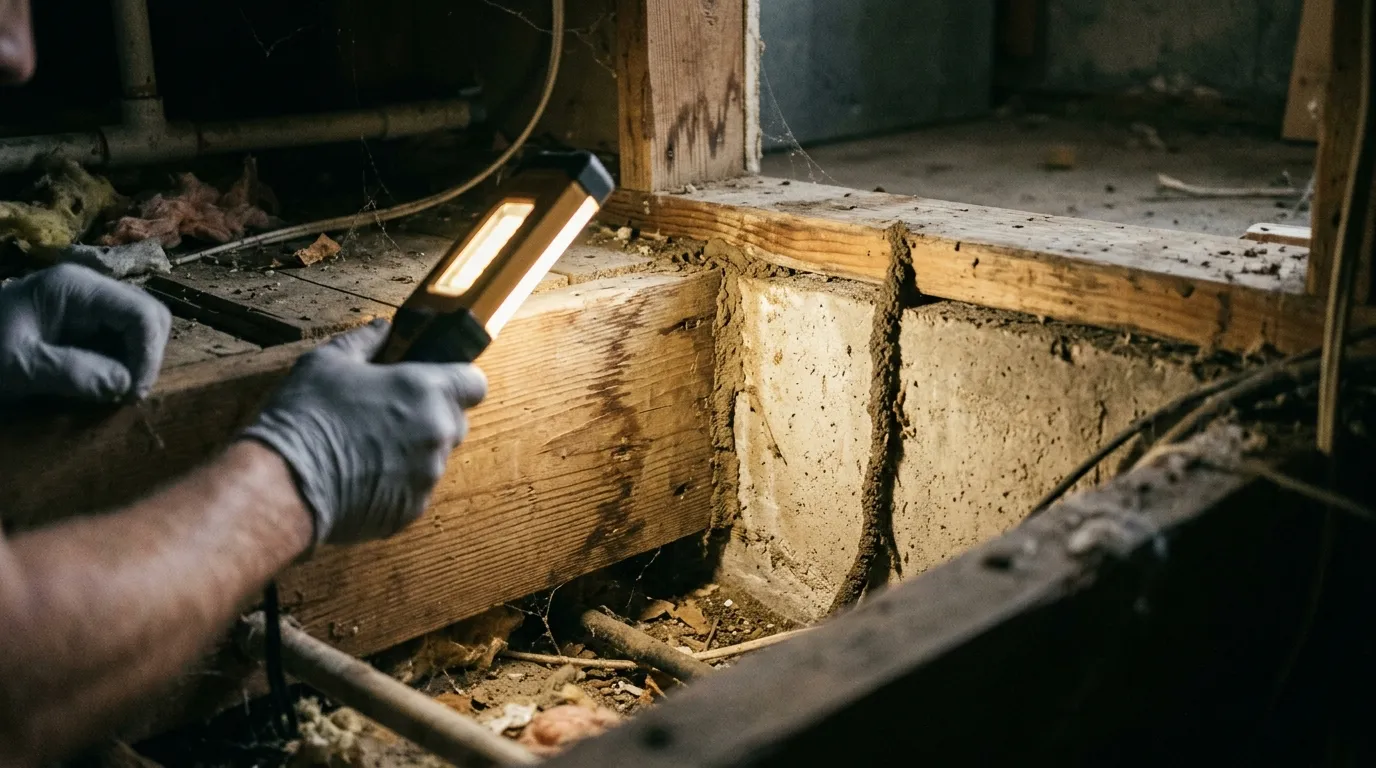
Termite Control & Treatment
Stop termite damage before it costs thousands. Licensed inspectors and proven treatment methods.
Learn More →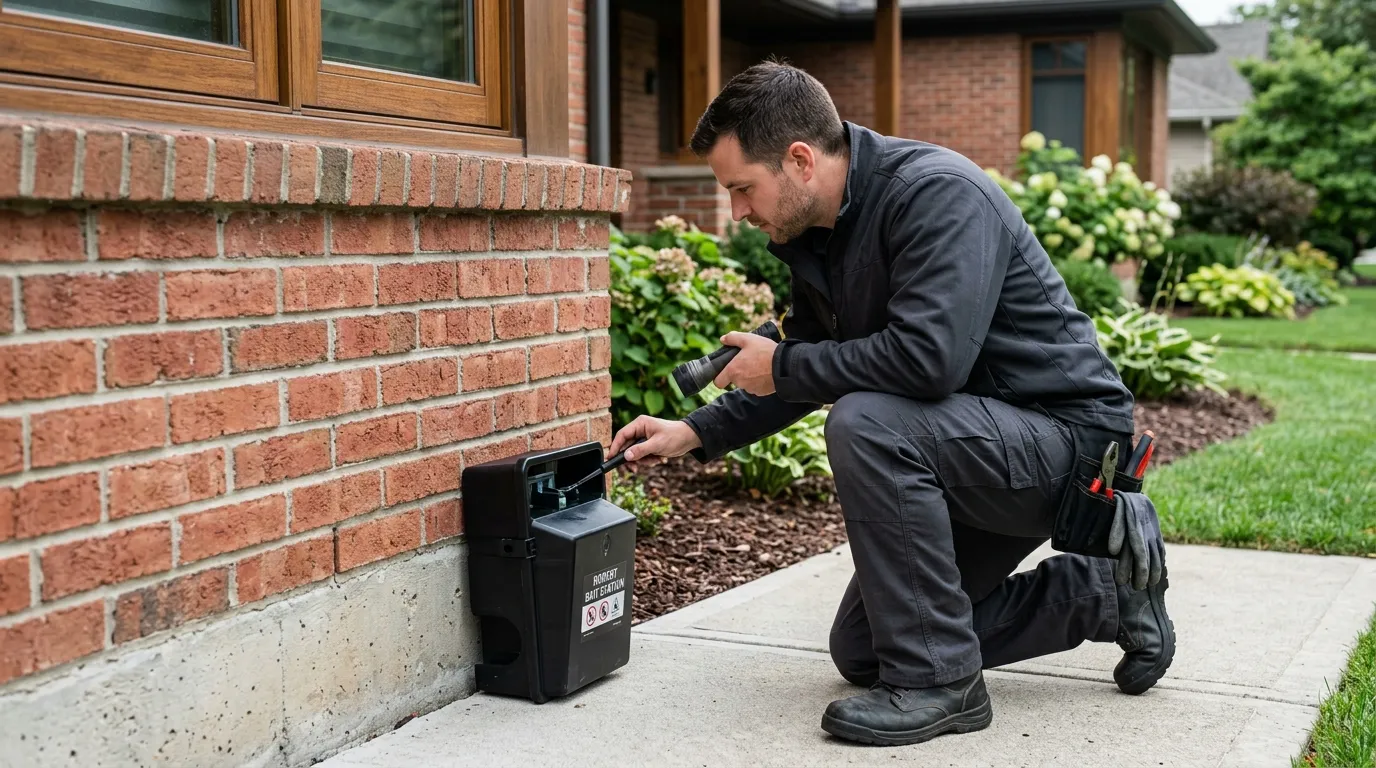
Rodent Removal & Control
Humane, effective rodent removal. We seal entry points so they don't come back.
Learn More →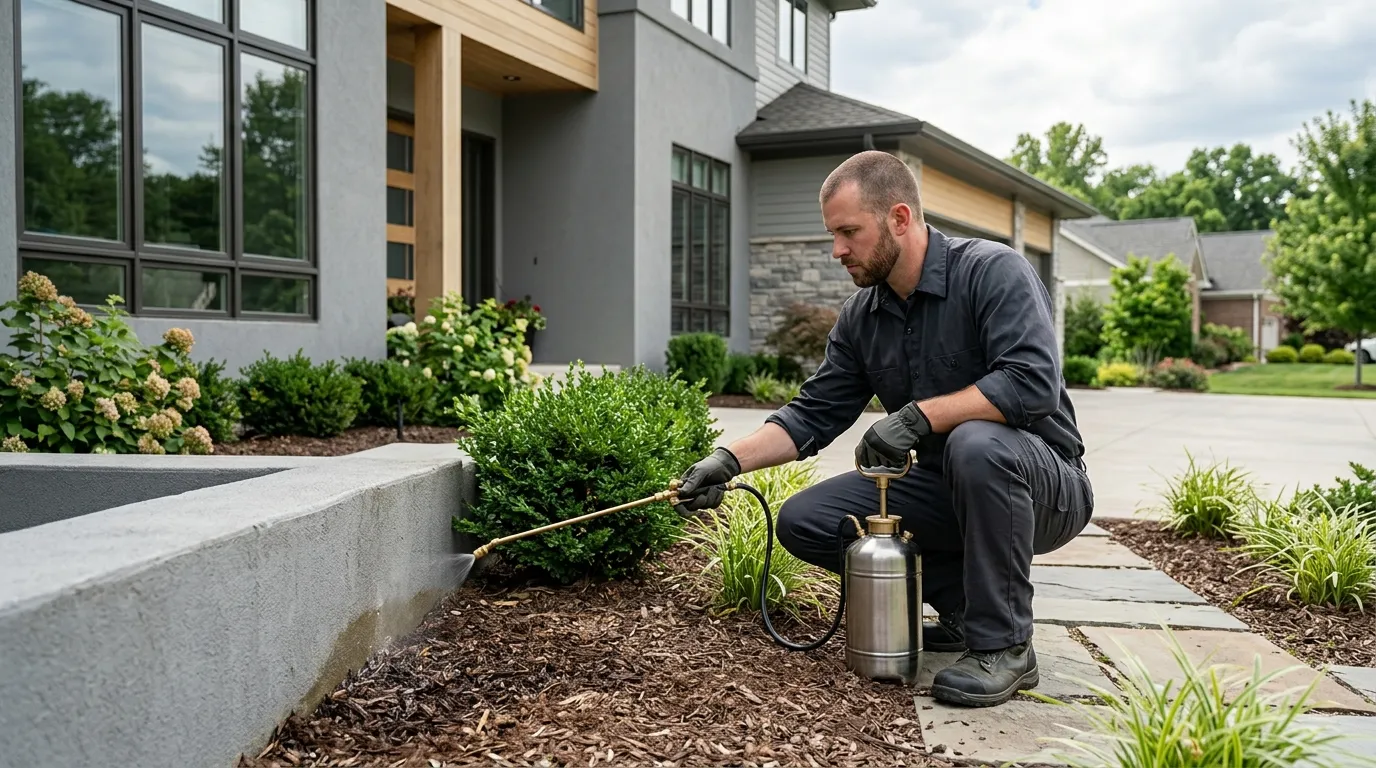
Ant Control & Extermination
Eliminate ant colonies at the source. Targeted treatment for carpenter ants, fire ants, and more.
Learn More →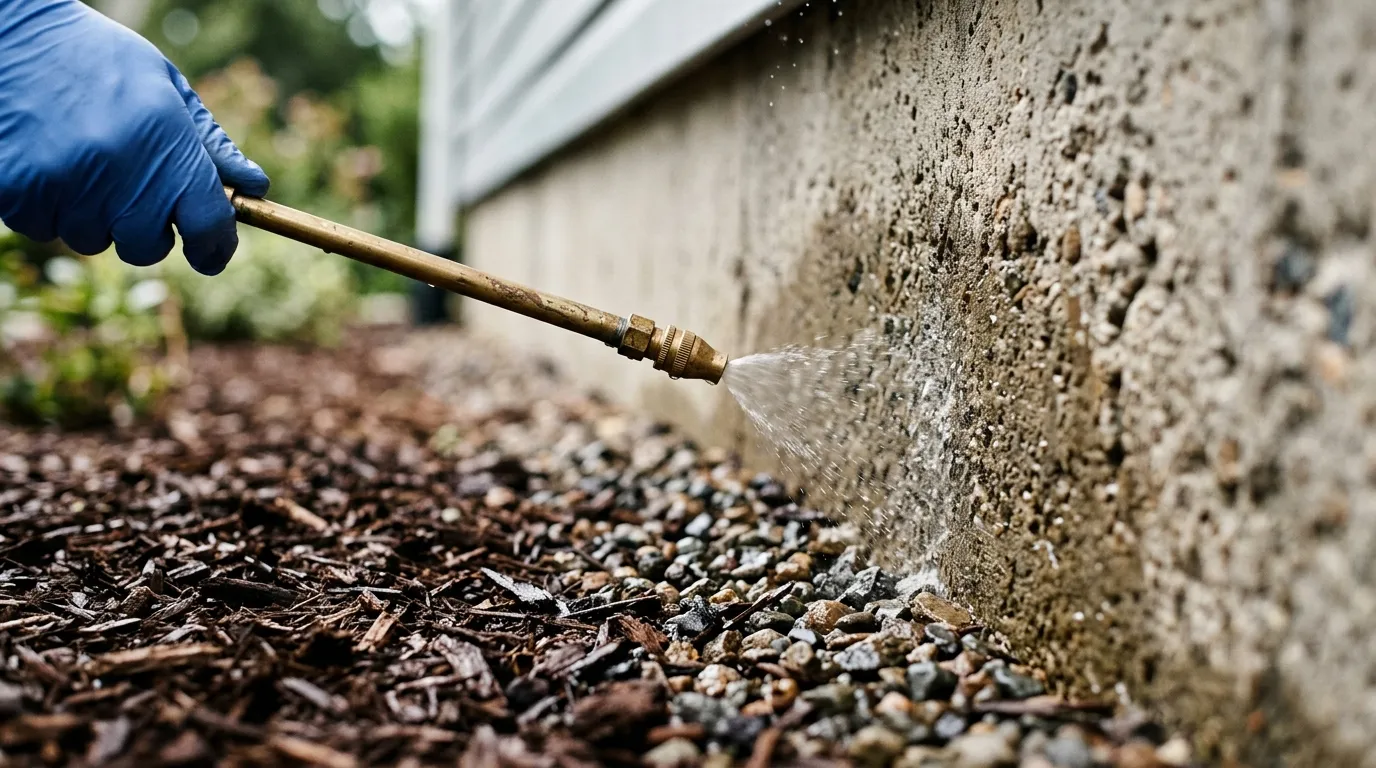
Spider Control
Take back your home from spiders. Identified, treated, and prevented from returning.
Learn More →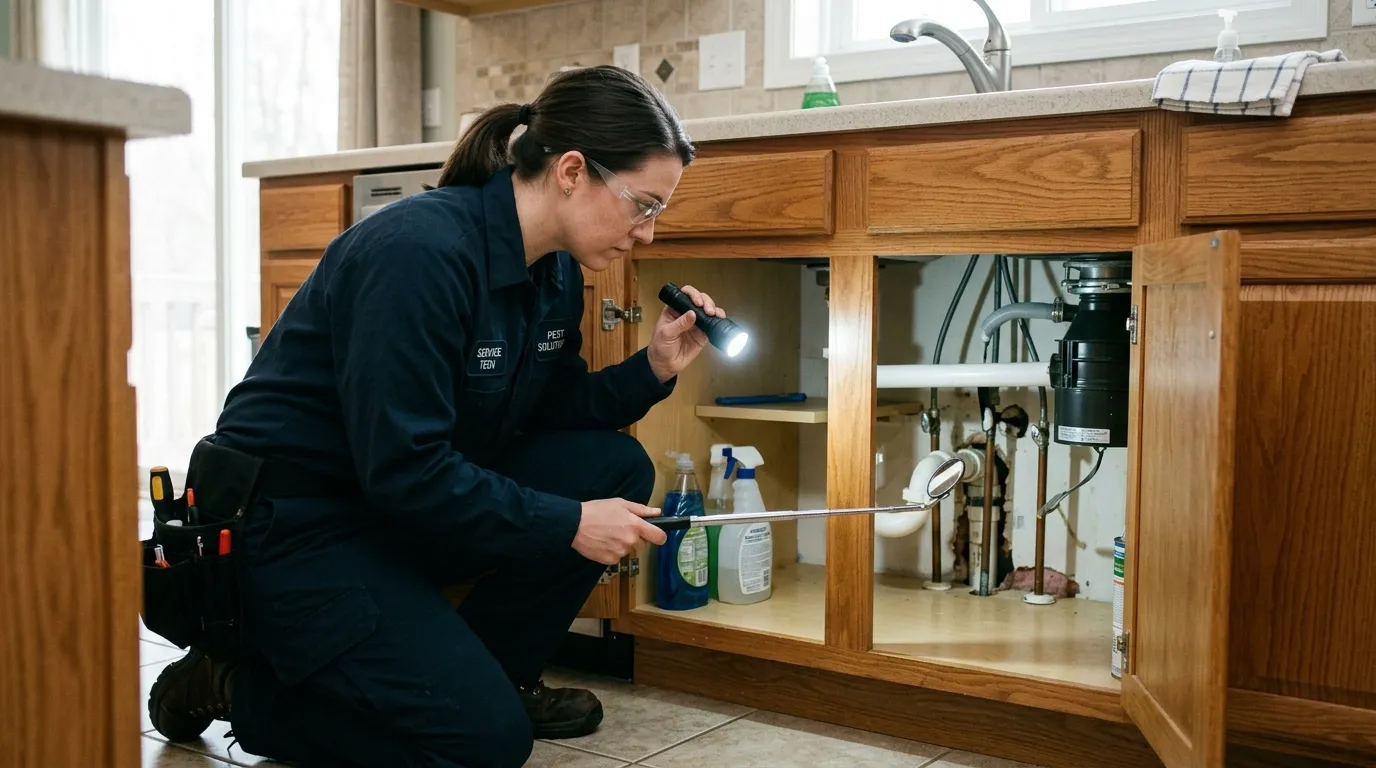
Cockroach Control & Extermination
Targeted cockroach elimination programs. Discreet, professional service for homes and businesses.
Learn More →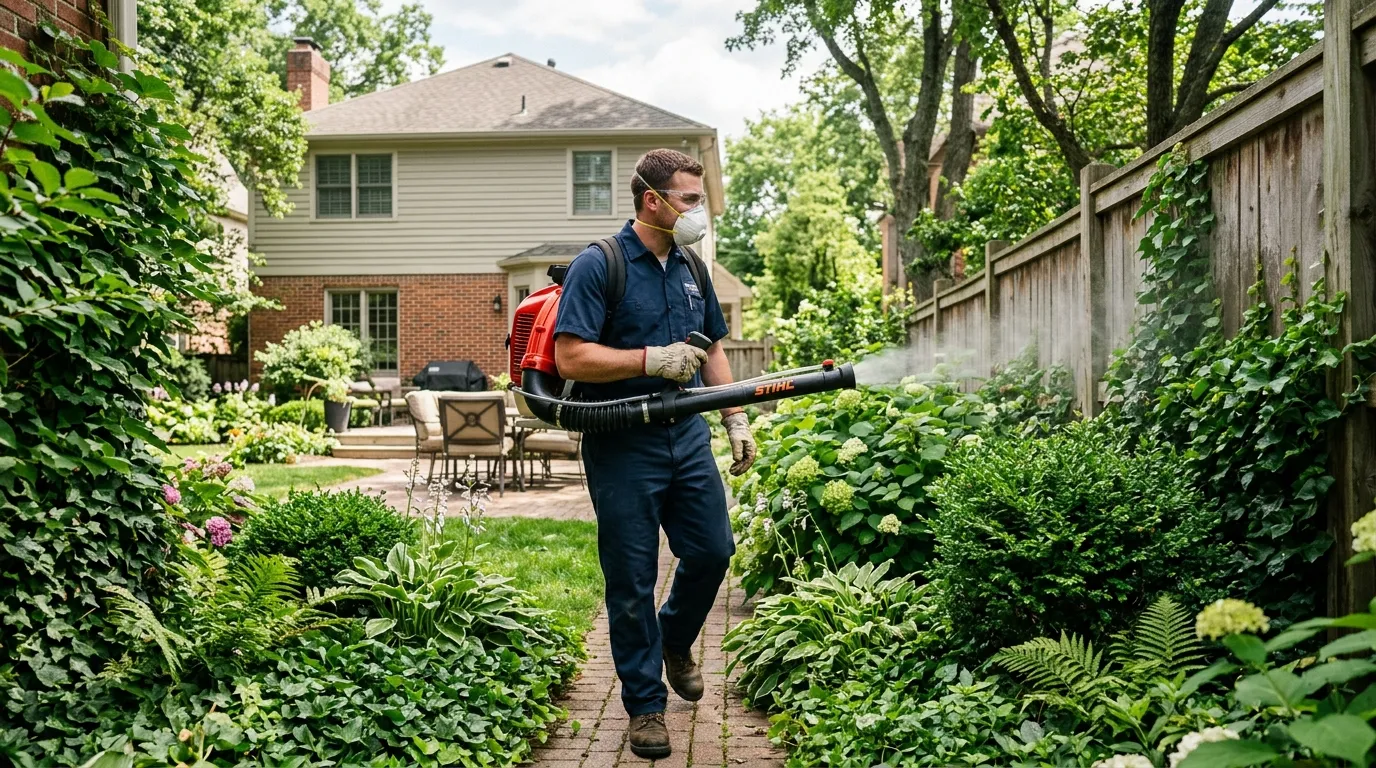
Mosquito Treatment & Control
Reclaim your yard from mosquitoes. Seasonal barrier treatments that actually work.
Learn More →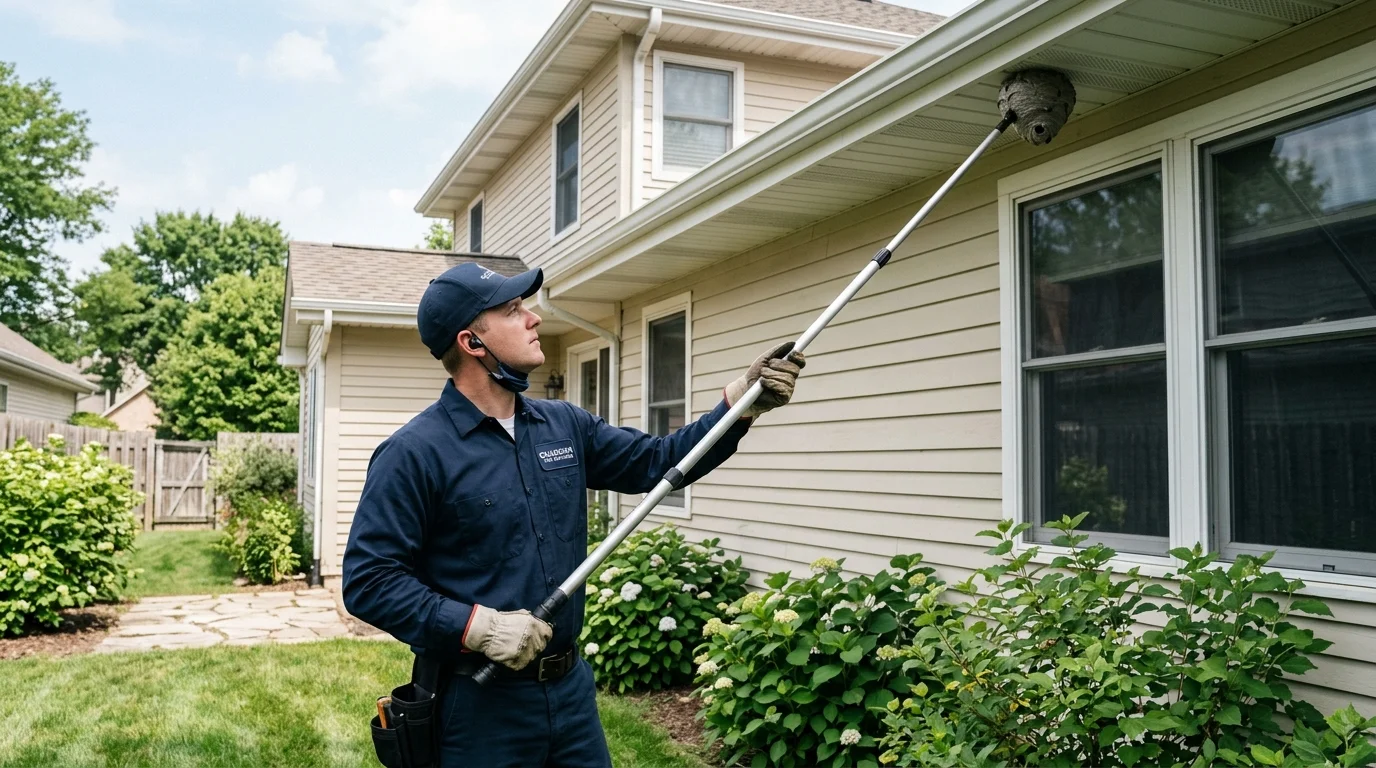
Wasp & Hornet Removal
Safe, professional wasp and hornet nest removal. Don't risk getting stung - let the pros handle it.
Learn More →WSDA & ISDA Dual-State Regulatory Framework
Independent contractors operating in Spokane and Kootenai counties must comply with Washington and Idaho commercial applicator standards and aquifer buffer rules.
WSDA & ISDA Structural Licensing
Applicators hold Commercial Structural Pest Control licenses through the Washington State Department of Agriculture (RCW 17.21) and Idaho State Department of Agriculture (Title 22, Ch 34), ensuring compliant cross-state application.
Rathdrum Aquifer & Lake Safety
Contractors observe environmental buffer zones protecting the Spokane Valley–Rathdrum Prairie Sole Source Aquifer and Lake Coeur d'Alene watershed.
WDO Structural Inspections
Contractors deliver Wood-Destroying Organism (WDO) inspection reports and upfront quotes detailing carpenter ant and termite remediation plans.
Request a Free Quote in Spokane & Coeur d'Alene
Submit your details below to request a free estimate from an independent local contractor in Spokane & Coeur d'Alene.